10 Ways To Conserve Water All Year Round

null • January 31, 2021

How To Save Water


The rise of our population has led to more water consumption. Unfortunately, the environment has diminished capacity to produce enough water to meet the growing demand.


Drought is not uncommon in Australia. If people continue to do nothing about it, the water supply may decrease until it ceases to supply most households. To prevent this from happening, people should start a collective effort to conserve water. There are plenty of ways citizens can do that. Some can even start with simple steps they can do at home. 


Water consumption is important for everyone's welfare, most especially for your family. By preserving water, you can save on your supply as well as on your water bills. Hence, here are things you and your family can do to conserve water all year.


Check For Leaks


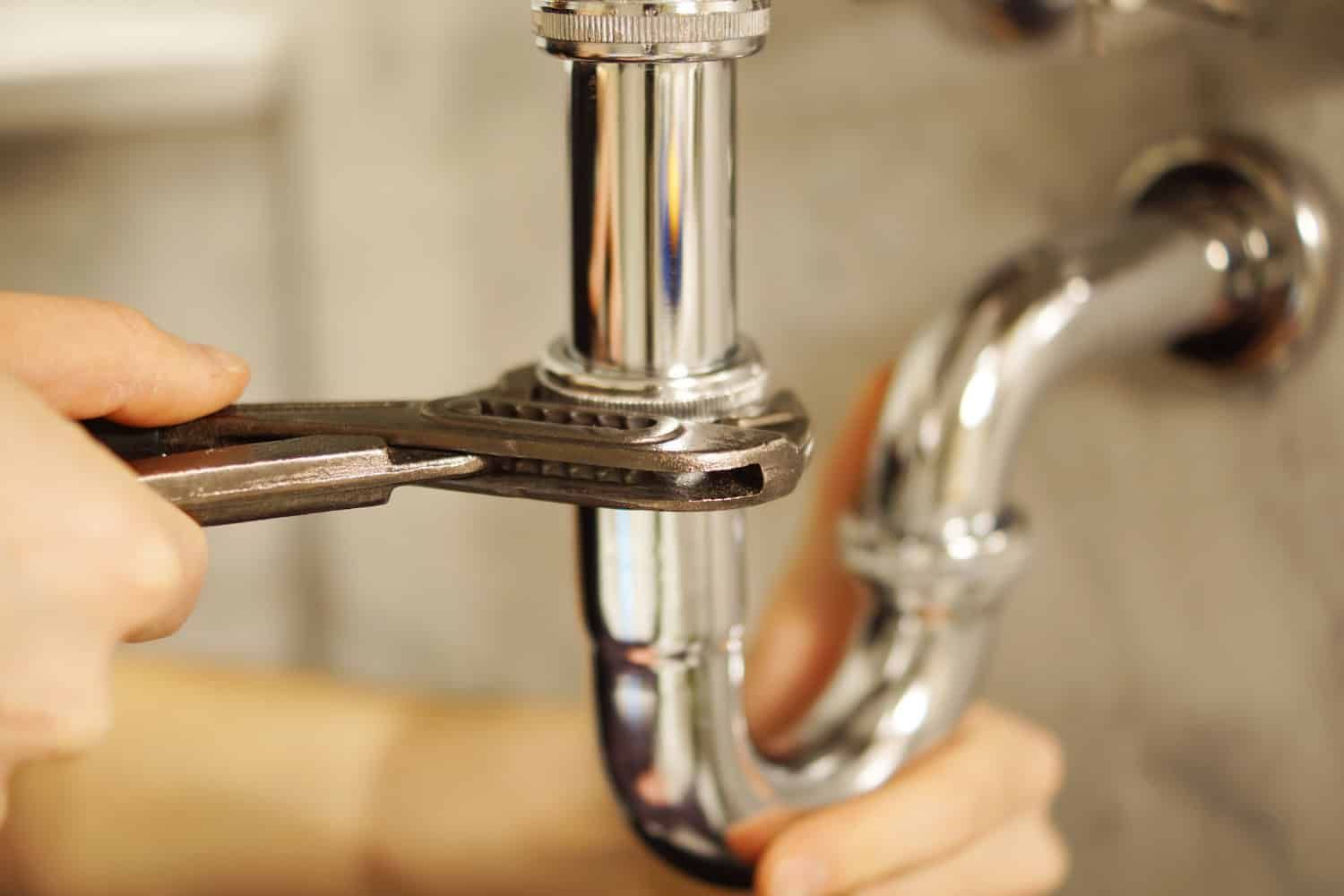
This ought to be the first step you should do as the new year starts. If left unnoticed, you might get a gradual increase in your water bills. You will also waste tons of water if you don't get your leaking pipes fixed by a plumber in Lake Macquarie. So, first things first — check for leaks and call a nearby plumber for immediate repairs.


Don't Wash Fruits & Vegetables With Running Water


After doing groceries, take out all the fruits and vegetables and wash them by dipping these items on a basin of water instead of rinsing them under running water.


Install A Low-flow Showerhead


You can save as much as twenty litres of water with a low-flow showerhead for every minute you spend in showering. 


Keep Your Shower Time Short


Cut back the time you spend on the shower. If it's difficult for you to keep track of the time, you can use a shower timer. Another way to conserve water as you shower is to turn it off while lathering.


Have A Dual Flush Model Installed


Installing a new flush system may be an extra cost, but it can help you save both water and expense in the long run. A dual flush toilet is an ideal choice when it comes to water-efficiency as you save up to 68% more water.


Get Used Water For The Plants


Collect used water and save it for other purposes such as watering the plants. Greywater from rinsing fruits or washing machines is often clean enough to use for watering plants.


Use A Bucket To Wash Your Car


You consume about 200 litres of water if you use a hose in washing your car. By using water in a pail, you can cut down to 50 percent. You can still use the hose when rinsing, but make sure to use a spray nozzle for better water efficiency.


Don't Leave The Faucet Running


This is a common practice but often taken for granted. Some family members, especially little ones, forget to turn off the faucet when not in use. This usually happens when brushing the teeth, cooking, or rinsing. Teach family members to keep the faucet shut when not in use.


Insulate Hot-Water Pipes


With this, you can keep your water hot while taking a bath. Most people would flush out cold water and keep it running until the water is warm. Insulating pipes is an inexpensive procedure that you can do to save water.


Have Regular Maintenance & Check-ups


Getting regular check-ups on your drains is the best way to spot damages and have them readily fixed. You can contact a local plumber in Newcastle to get this done in no time.


Get Started


The steps and practices mentioned above are only a few of the many ways you can conserve water all year. By being mindful of your actions, your efforts can make a big difference. You can also teach your family members to do the same. And the best way to do that is to be a good example yourself.


Of course, you can't do this alone. That's why you would need the help of
professional plumbers to keep your pipes in tip-top shape. This would mean less worry for you and better chances to save much water in your home.
By britor01+sp August 4, 2026
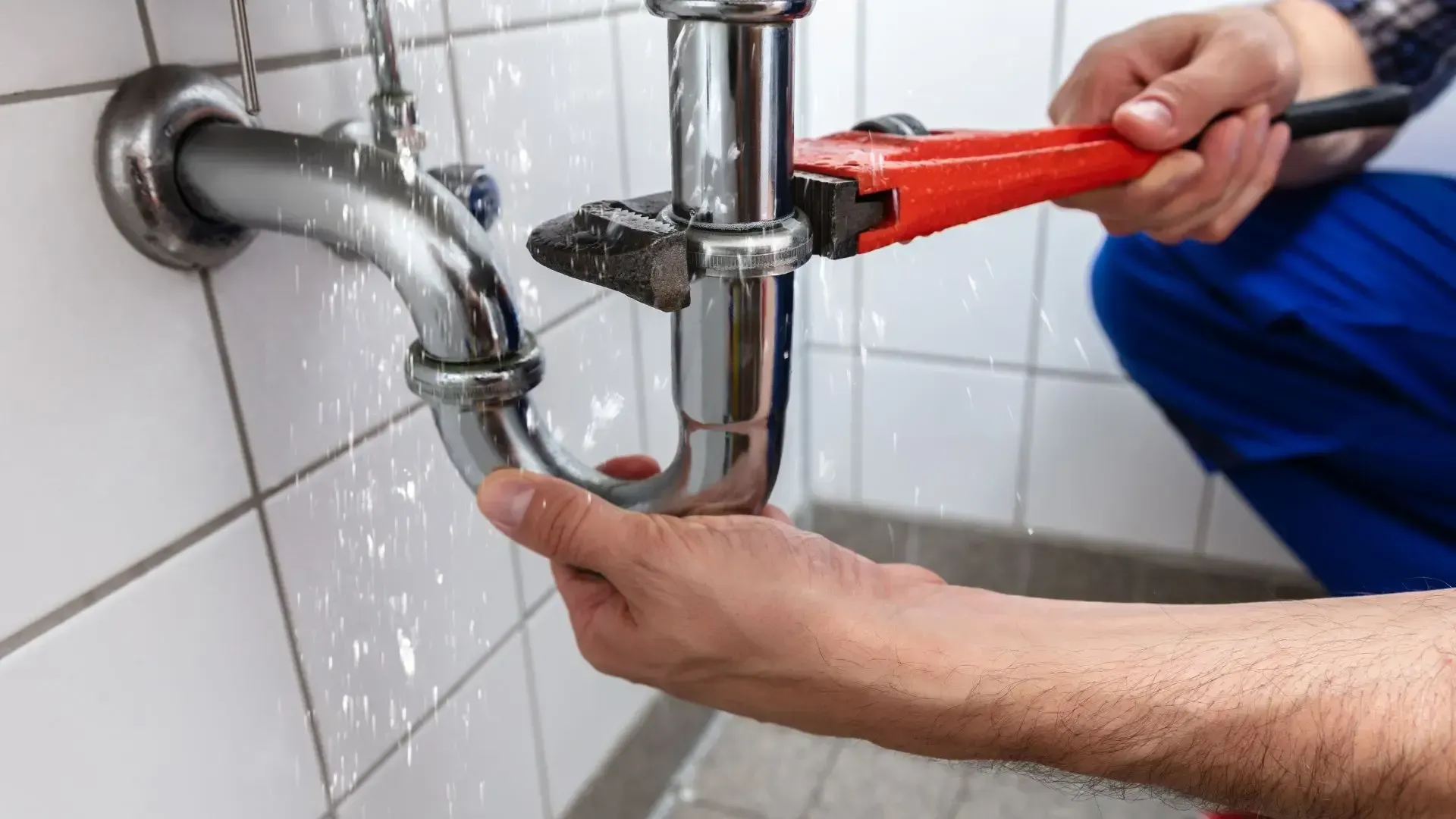
What Causes Pipes to Leak in Older Newcastle Homes? Older homes around Newcastle have a charm that is hard to copy. But while the character of an older home is easy to see, the plumbing behind the walls can be much harder to notice. Homes that were built decades ago often have plumbing that has started to wear down over time, and small leaks can start in areas you wouldn’t usually check. Knowing what to watch for can help you avoid being caught off guard by a leak or burst pipe. Here’s our list of things you should know about your plumbing. Old Pipes Can Start to Corrode Pipe corrosion is one of the main reasons older homes develop leaking pipes. Over time, minerals in your water and other substances wear down the metal inside the pipe. Once the pipe wall becomes weak, leaks can appear around joints and fittings. Corrosion can also leave sediment inside the pipe. This can slow the water flow and increase the risk of a clogged pipe. Since these issues usually build up slowly, they are more common in old plumbing systems. How to Minimise Damage: Unfortunately, once pipe corrosion starts, it can continue to get worse over time. As the pipe weakens, more areas become exposed to damage. What you can do is call a plumber ASAP so the affected pipe can be checked. Even Modern Pipes Will Wear Down From Years of Use Whilst pipes are intended to last for years, none of them will last forever. Modern plumbing techniques aren’t immune to the strain your pipes will go through from years of constant use. Unlike metal pipes, plastic or PVC pipework will not rust. Instead, plastic pipework can become brittle. As it becomes less flexible, it can crack more easily near fittings. Abrupt changes in temperature can also slowly add stress to your pipes. Hot water can make the pipe expand a little then it tightens again as it cools. After years of this movement, pipework can become stressed and fail. How to Minimise Damage: The good news is that you won’t have to worry about damages for quite a few years if you’re caring for your pipes adequately. At some point in the future, replacing the damaged pipe will be the best way to stop any leaks. This usually happens when the pipe has become too worn to hold another patch. Tree Roots Can Get Into Your Plumbing Do you have gorgeous, large trees around your 1930’s home? They may give nice shade, but their roots can spread underground in search of moisture. Specifically, stormwater and sewer pipes are common places for roots to get in. This is especially true when there is already a small crack or loose joint. Once they grow inside, they can put pressure on the pipe and cause leaks. Over time, your pipes can become badly damaged or even collapse, leading to burst pipes Newcastle homeowners may need to repair urgently. How to Minimise Damage: Prevention is the best way to stop roots from damaging your plumbing system. You should always plant new trees away from main water or sewer lines to help prevent any issues for future-you. In addition, aim to avoid species with aggressive roots - especially near older plumbing systems. If you already have mature trees near old plumbing lines, it is important to have them regularly checked by professionals. If roots have already moved into the pipe, call Jet Blaster Man to have them properly treated. Ground Movement Can Affect Your Pipes Over time, it is normal for homes to settle further into the ground. A little settling is normal, but too much movement caused by the weather and soil changes can strain the pipes. Wet soil expands, and then shrinks again as it dries. This back-and-forth movement can shift the foundation slightly and impact your pipes, and it’s a common plumbing issue in older homes when the pipework is already worn. How to Minimise Damage: If you’ve had a lot of storms recently and think ground movement is affecting your plumbing, a professional inspection can help put your mind at ease. With advanced leak detection methods, the affected section can be found more accurately. As such, plumbers can find hidden water leaks without digging up more than needed. There Are Downfalls To High Water Pressure High water pressure feels great when you are in the shower or trying to fill the tub fast. But if the pressure stays too high all the time, it can slowly damage the plumbing system. Many pipes are only built to work within a safe pressure range, and when water moves through the pipes too fast for too long, it can wear them down more quickly. If the problem is ignored, high pressure can even lead to a burst pipe and a much bigger repair. How to Minimise Damage: You can use a pressure gauge to see if your water pressure is too high. If you are not sure how to test it, a plumber can do this safely. Additionally, you can have a pressure regulator installed to protect the plumbing from extra stress. Things to Watch Out For Until the plumbing in your home is inspected properly, the actual source of the leak may stay hidden. If the following signs keep getting worse, we recommend giving Jet Blaster Man a call so we can send a professional plumber out. You should keep an eye out for: Unusual water marks and stains on walls A musty smell A higher water bill than normal Reduced flow when you turn on taps/showers Presence of mould in hidden corners Mildew in rarely checked spots Water sounds when no taps are running Need a Plumber for Leaking Pipes in Newcastle? Owning an older Newcastle home can be a labour of love. However, it should not leave you constantly worrying about hidden plumbing problems. By understanding the weak points that come with aging plumbing, you can address small issues and put together a list of things to do. DIY checks are a good place to start in your hunt for obvious signs of problems, but a professional can find hidden issues inside the pipework. If your home is hiding a leak, don't worry because Jet Blaster Man plumbers know how to deal with the common plumbing challenges found in older homes. Simply call us today to book your next service consultation.
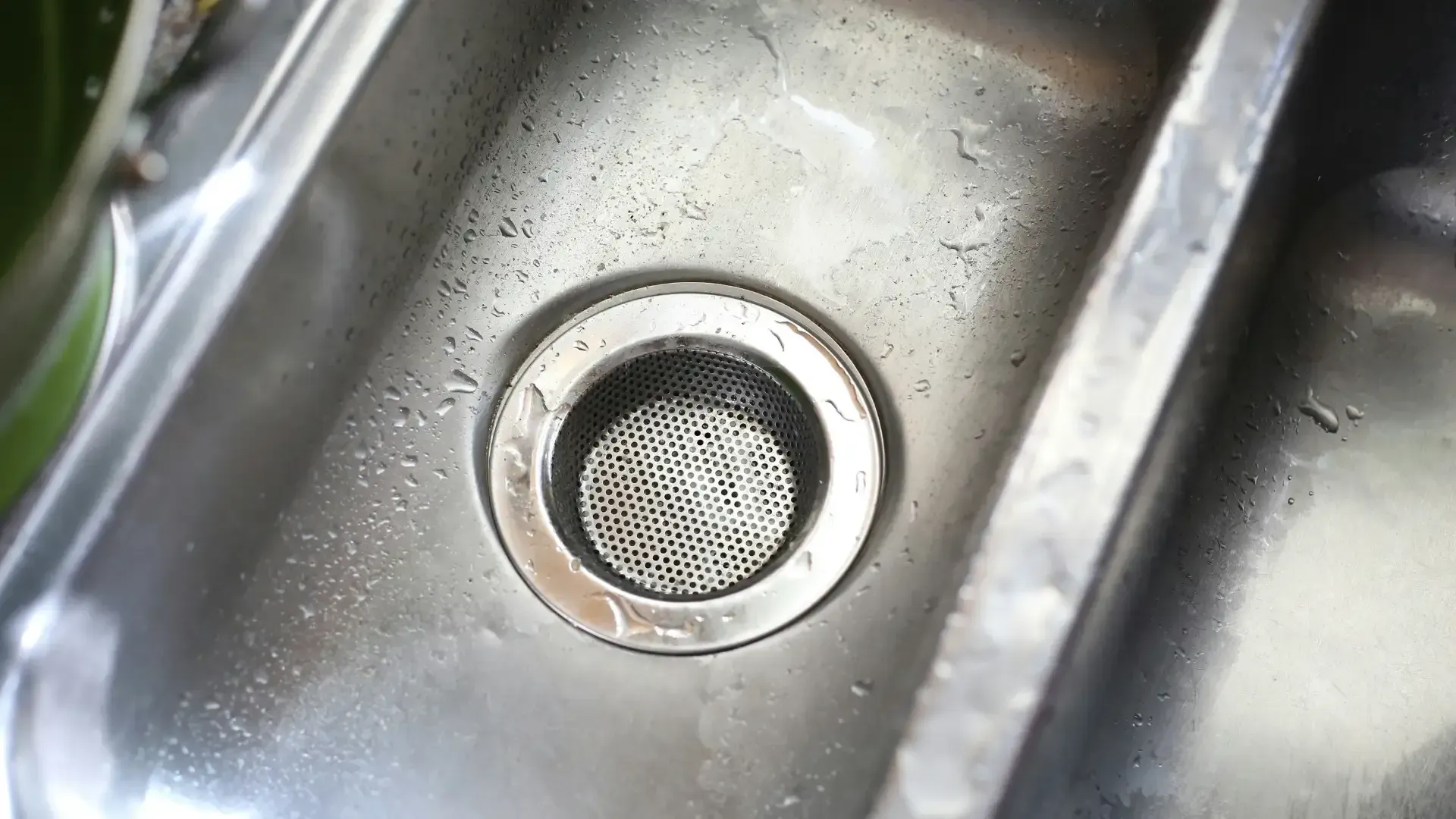
Sink drain with a scrap catcher
June 17, 2026
Trying to fix a blocked sink yourself? Compare DIY drain cleaning vs professional plumbing services to find the safest and most effective solution.
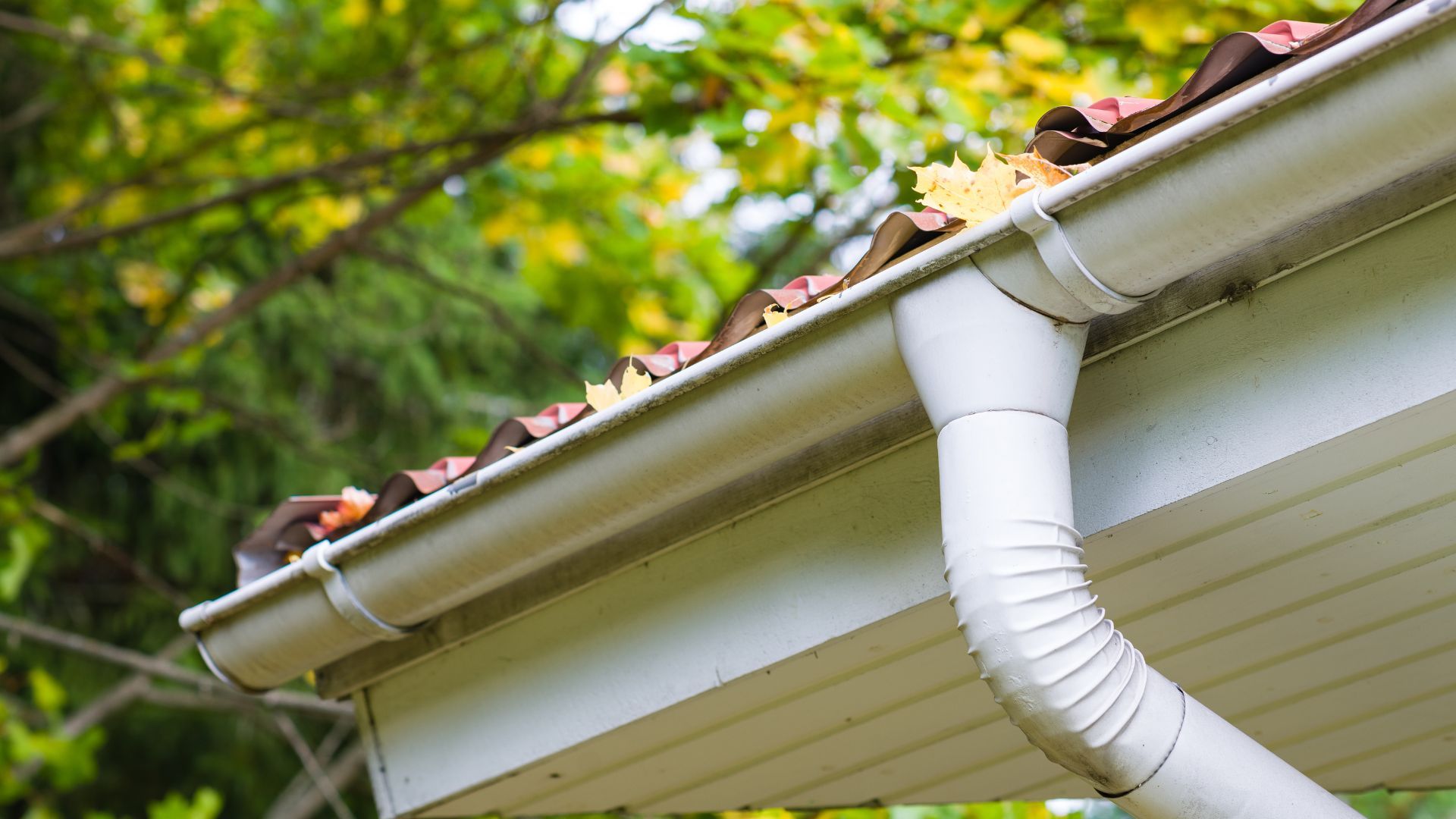
Home gutter cluttered with autumn leaves
May 21, 2026
Getting ready for autumn in Newcastle? In this guide, learn a simple plumbing maintenance checklist to stay ahead of problems before winter arrives.
A simple checklist written in a white notebook
By Jarrad Smith November 27, 2025
Prepare your home for the heat with our simple summer plumbing checklist. Learn how to prevent leaks, blockages and hot water issues before they start.
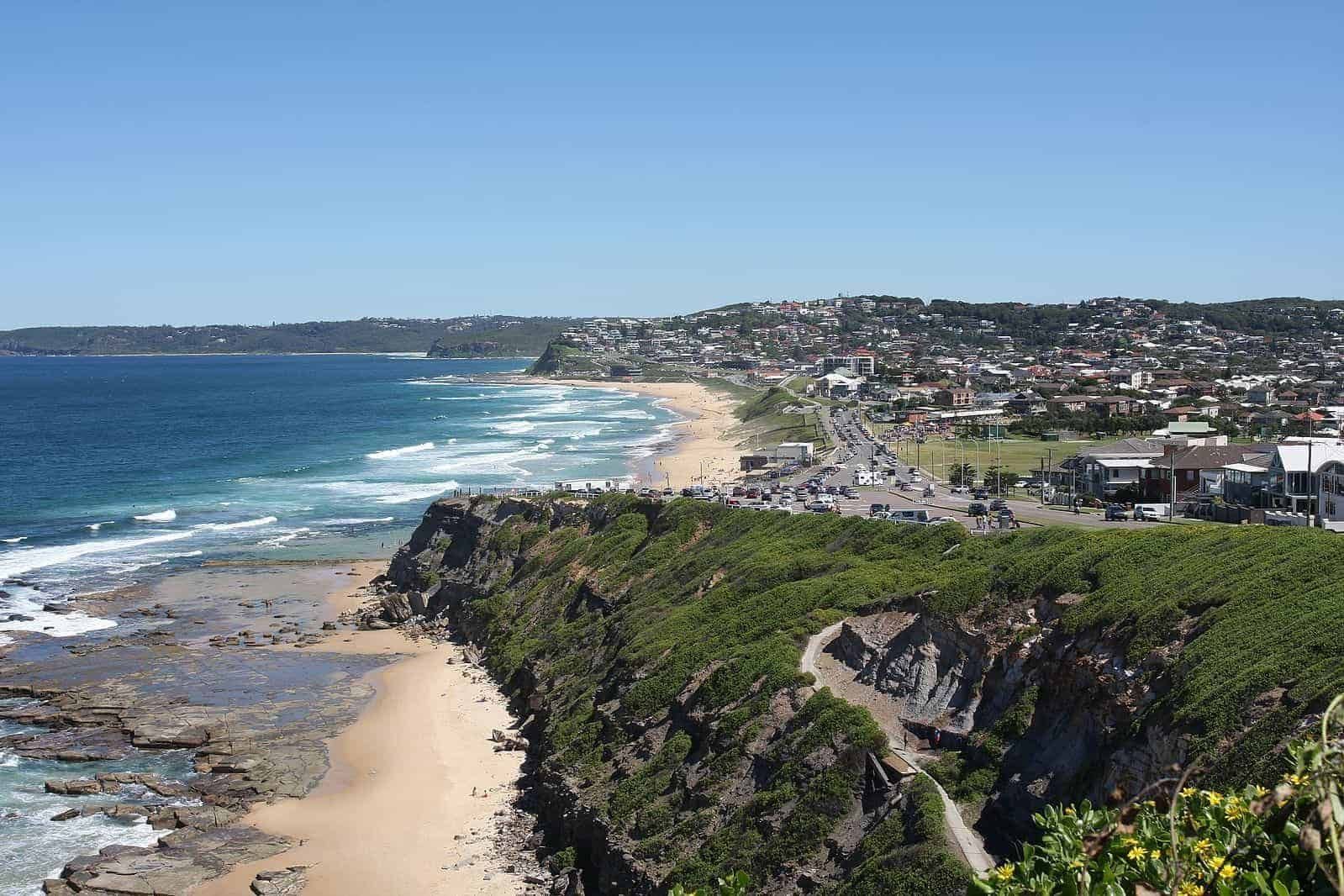
Newcastle coastline featuring homes
By Jarrad Smith October 16, 2025
Buying your first home? Use this plumbing guide to check for leaks, drainage issues, hot water problems, and more before you move in.
pair of gloves surrounded by tools
By Jarrad Smith August 15, 2025
Learn what to do during a plumbing emergency, why 24/7 help matters, and how to be ready before trouble starts.
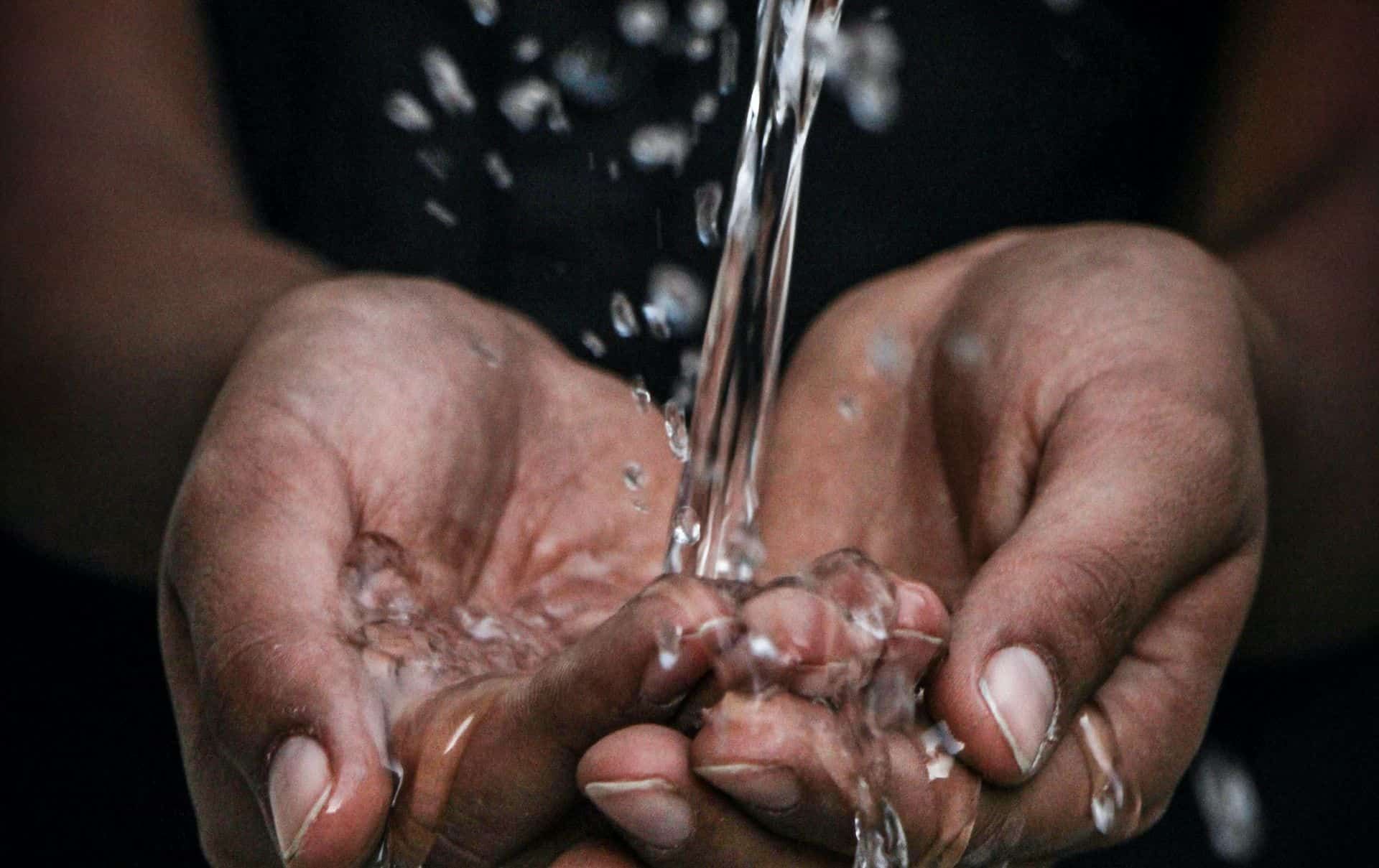
water falling into somebody's hands
By Jarrad Smith July 11, 2025
Want to cut water bills and help the environment? Discover 10 of the best ways to save water at home and in business across Australia.
hot water system in wall cabinet
By Jarrad Smith May 26, 2025
Is your hot water system on its last legs? Learn the signs you need a replacement before the Aussie winter leaves you out in the cold.
bathroom drain with water flowing in
By Jarrad Smith April 11, 2025
Discover why Newcastle blocked drains are so common and how to prevent them. Tips from your local blocked drain plumber.
steel pipe being tightened
By Jarrad Smith February 24, 2025
Discover the seven types of plumbing pipes that are most commonly used. Jet Blaster Man helps you understand materials & durability.